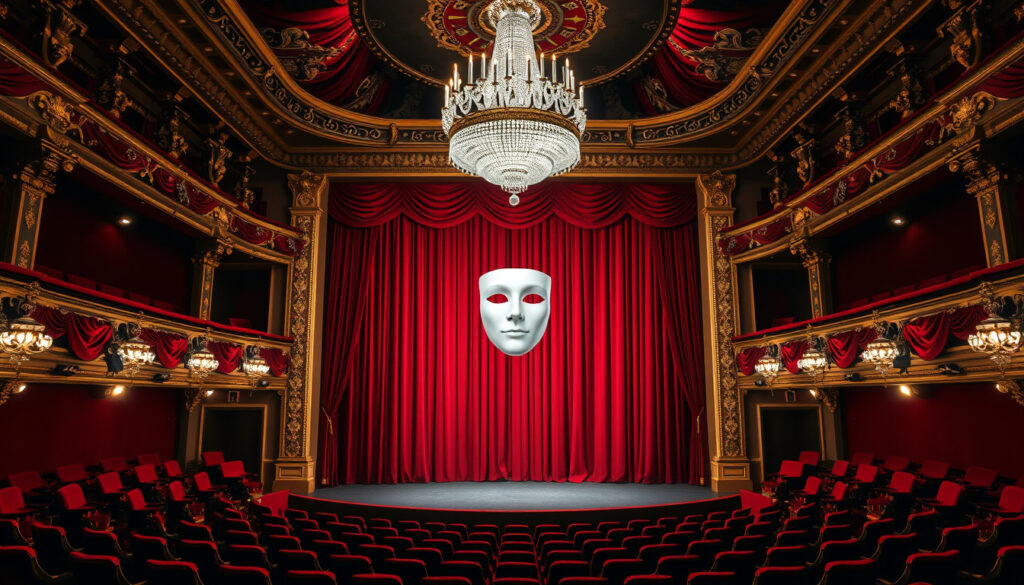
Phantom of the Opera London – Tickets, Venue and Show Guide
Andrew Lloyd Webber’s legendary musical continues to captivate audiences more than three decades after its debut. The Phantom of the Opera remains one of the most successful stage productions in history, drawing visitors to London’s West End with its blend of romance, suspense, and memorable melodies. Currently hosted at His Majesty’s Theatre, the show has been adapted since its original premiere, offering contemporary audiences a refined version of the classic tale set beneath the Paris Opera House.
Tickets for the production start from £25, with daily releases of day seats available from £37.50. The show runs approximately two hours and thirty minutes, including a twenty-minute interval, making it an ideal evening’s entertainment for theatre enthusiasts and first-time visitors alike. With performances scheduled through at least March 2026, there remains ample opportunity to experience this enduring masterpiece.
Whether you are planning your first West End visit or seeking to revisit a beloved classic, understanding the practical details of booking, venue access, and what to expect can help ensure a seamless theatre experience. This guide covers everything you need to know about seeing The Phantom of the Opera in London.
Where Is The Phantom of the Opera Playing in London?
The Phantom of the Opera performs at His Majesty’s Theatre, located at 57 Haymarket in the heart of London’s Theatreland. The venue, situated in the prestigious Haymarket district, sits just minutes from Piccadilly Circus and Leicester Square, making it easily accessible via the Piccadilly and Bakerloo underground lines. Several bus routes also serve the area, and proximity to Charing Cross station provides additional transport options for visitors traveling from further afield.
The theatre itself dates from the nineteenth century and underwent renovation ahead of the production’s arrival. Its intimate layout and excellent sightlines from multiple seating tiers ensure that audiences enjoy clear views of the stage throughout the performance. Accessibility accommodations are available, though visitors should note that the production includes special effects such as gunshots, flashing lights, smoke, and pyrotechnics.
The theatre is equipped with accessible seating areas and assistance systems. However, due to the show’s special effects, visitors with sensitivities to loud noises or visual stimuli should consider this before booking. Children under four years of age are not permitted, and most sources recommend the production for ages eight and above.
At a Glance
- One of the longest-running productions in West End history with over 38 years of continuous performances
- Seen by more than 140 million people worldwide since its debut
- Winner of over 70 major theatre awards including three Olivier Awards and seven Tony Awards
- Features iconic stage elements such as the descending chandelier and rotating stage
- Reworked version of the original production now playing at His Majesty’s Theatre
- Actively booking through March 2026 or later due to sustained audience demand
| Fact | Details |
|---|---|
| Official Premiere | 9 October 1986 |
| Composer | Andrew Lloyd Webber |
| Source Material | Gaston Leroux novel |
| Original Director | Harold Prince |
| Original Producer | Cameron Mackintosh |
| Theatre Capacity | Approximately 1,200 seats |
| West End Record | Longest-running musical in history |
| Original Phantom | Michael Crawford |
Is The Phantom of the Opera Still Running in London and When Does It Close?
The Phantom of the Opera continues its remarkable run at His Majesty’s Theatre, with bookings currently extended through at least March 2026. Some sources indicate potential availability through October 2026, though these dates may be subject to adjustment as the production team responds to ongoing demand. The show remains among the most attended productions in the West End, consistently filling seats across its multiple weekly performances.
Unlike some long-running productions that eventually wind down, The Phantom of the Opera has maintained strong ticket sales throughout its run. The decision to extend bookings reflects the production’s commercial viability and sustained audience interest. Visitors planning to attend should book well in advance, particularly for weekend performances, though weekday shows often have greater availability.
The production has weathered significant challenges in recent years, including the temporary closure forced by the COVID-19 pandemic. It successfully reopened in 2021 and has since returned to full capacity, demonstrating the enduring appeal of Lloyd Webber’s score and the timeless nature of the source material. There has been no official announcement of a final performance date, though visitors should check the official show website for the most current information regarding booking availability.
How to Get Tickets for The Phantom of the Opera London: Prices and Best Seats
Ticket Prices
Standard tickets for The Phantom of the Opera start from £25 for adults, with prices ranging up to £31.25 depending on seating location and performance timing. For visitors seeking more flexible options, day seats are released daily at 10am from £37.50, offering the opportunity to secure premium view positions at a moderate premium. All tickets purchased through official channels carry no additional booking fees, ensuring transparent pricing.
Pricing varies according to several factors including the proximity of seats to the stage, the day of the week, and whether the performance falls during peak periods such as school holidays. Saturday evening shows typically command the highest prices, while weekday matinees and Tuesday through Thursday evening performances often present more affordable options. Family packages and group discounts may be available for parties of six or more.
Purchasing directly through the official ticket portal or approved partners such as ATG Tickets and London Theatre ensures authentic tickets and access to the full range of seating options. Third-party resellers may charge inflated prices, and visitors should verify their source before completing any purchase.
Booking Tips
Securing the best seats requires understanding the theatre’s layout and the production’s key visual moments. The chandelier drop, one of the show’s most iconic sequences, occurs during the first act and benefits from clear sightlines from the Dress Circle. This tier offers excellent views of the stage while remaining within a reasonable budget for most visitors.
The Stalls section provides the most intimate experience, placing audience members close to the action and offering clear sightlines to the main stage. However, some elevated action may be partially obscured depending on the specific seat. For those prioritising the full impact of the set design and special effects, the Dress Circle remains a reliable choice.
Visitors should consult the theatre’s seating plan before booking, as preferences vary according to individual requirements. Those with accessibility needs should contact the box office directly to ensure appropriate accommodations are arranged in advance. ATG Tickets and other official partners provide interactive seat maps that allow precise selection based on personal preferences and budget constraints.
Key Show Details: Runtime, Cast, and Age Rating
Runtime and Schedule
The Phantom of the Opera runs for approximately two hours and thirty minutes, including a twenty-minute interval between the two acts. Evening performances begin at 7:30pm Monday through Saturday, while matinee shows are scheduled for 2:30pm on Wednesdays and Saturdays. Visitors should confirm specific timings closer to their visit, as schedules occasionally change due to holidays or special circumstances.
The first act typically runs for around one hour, providing ample time to settle into the narrative before the interval offers a chance to stretch and refresh. The second act, slightly shorter, builds toward the production’s dramatic climax. Arriving at the theatre at least fifteen minutes before the scheduled start time ensures adequate time for finding seats and settling in before the house lights dim.
Latecomers may not be admitted until a suitable break in the performance, which may not occur until several scenes into the show. Visitors are encouraged to plan their journey to account for potential travel delays, particularly when arriving from outside central London.
Current Cast
The current West End production features Dean Chisnall in the title role of the Phantom, bringing the masked antagonist to life with a commanding presence. Lily Kerhoas portrays Christine Daaé, the young soprano whose talent draws the attention of both the Phantom and her childhood friend Raoul. Joe Griffiths-Brown takes on the role of Raoul, the Vicomte de Chagny who competes for Christine’s affection, while Joanna Ampil plays Carlotta Giudicelli, the established prima donna whose rivalry with Christine forms a key subplot.
The production also features an ensemble cast of singers and dancers who populate the world of the Paris Opera House. Understudies are assigned to each principal role and may perform if circumstances require. For visitors seeking to see specific performers, checking the official website or contacting the box office for cast confirmations before booking is advisable, as ensemble members may rotate periodically.
Age Rating and Content Considerations
The Phantom of the Opera is recommended for audiences aged eight and above, though some sources suggest a minimum age of ten. The production includes scenes of mild violence, romantic situations, and moments of suspense that may not be suitable for younger children. Additionally, the special effects—gunshots, flashing lights, smoke, and pyrotechnics—may startle sensitive viewers.
Parents considering attendance with children should evaluate their child’s ability to sit quietly through a two-and-a-half-hour performance without disrupting other audience members. The theatre maintains a policy of not admitting children under four years of age to any performance. For specific content questions, visitors may contact the box office for detailed guidance regarding scene sequences and effect timing.
History: When Did The Phantom of the Opera Premiere in London?
The Phantom of the Opera made its London debut on 9 October 1986 at what was then Her Majesty’s Theatre, a venue that would later become His Majesty’s Theatre following the death of Queen Elizabeth II and the accession of King Charles III. Previews had begun earlier on 27 September, allowing the production team to refine elements before the official opening night. The premiere was attended by theatre luminaries and dignitaries, marking a significant moment in West End history.
The original production starred Michael Crawford as the Phantom, a casting decision that proved inspired as Crawford’s nuanced performance earned critical acclaim and numerous awards. Sarah Brightman, Lloyd Webber’s then-wife, portrayed Christine Daaé, bringing technical skill and emotional depth to the role. The combination of Lloyd Webber’s score, Harold Prince’s direction, and Cameron Mackintosh’s production expertise created a theatrical experience that resonated with audiences immediately.
The production’s original elements included a descending chandelier—the source of the Phantom’s menacing presence—and a rotating stage that facilitated smooth transitions between scenes set in different areas of the opera house. These technical innovations, combined with elaborate costumes and atmospheric lighting, established a visual vocabulary that has influenced subsequent productions worldwide.
Milestones in the Show’s History
Since its premiere, The Phantom of the Opera has accumulated numerous milestones that reflect its enduring appeal. The production celebrated its 10,000th performance in the 2010s, marking an extraordinary achievement for any stage show. Global productions have followed, with versions mounted in Broadway, throughout Europe, and in Asia, collectively entertaining tens of millions of audience members.
- September 1986: Previews begin at Her Majesty’s Theatre
- October 1986: Official premiere on 9 October with Michael Crawford and Sarah Brightman
- 1986–1990s: Multiple cast changes occur as the production builds its following; global tours launch
- 2010s: The show celebrates its 10,000th performance milestone
- 2020: Production pauses due to COVID-19 pandemic closures
- 2021: Show reopens following the lifting of restrictions
- 2024–2025: Ongoing performances with extension announcements through 2026
The show has received recognition from major award bodies, winning three Olivier Awards including Best Actor for Michael Crawford, and seven Tony Awards for the Broadway production. In 2016, the London production received the Olivier Audience Award, demonstrating continued audience appreciation decades after its debut.
What We Know and What Remains Uncertain
Information regarding some aspects of The Phantom of the Opera’s future remains subject to change. The following summary clarifies what is confirmed and what visitors should verify closer to their planned attendance.
| Confirmed Information | Uncertain Information |
|---|---|
| Currently playing at His Majesty’s Theatre | Exact closing date if applicable |
| Tickets available from £25 | Long-term booking extensions beyond October 2026 |
| Bookings confirmed through March 2026 minimum | Specific cast member availability on any given night |
| Evening shows at 7:30pm, matinees at 2:30pm | Potential date-specific schedule changes |
| Runtime of 2h 30m including interval | Availability of premium seat packages for specific dates |
| Age recommendation 8+ (some sources say 10+) | Future production changes or updates |
Why The Phantom of the Opera Remains Relevant
More than three decades after its premiere, The Phantom of the Opera continues to attract new audiences while retaining those who have seen it multiple times. The production’s longevity reflects the combination of Lloyd Webber’s melodic score—featuring standards such as “The Music of the Night,” “The Phantom of the Opera,” and “All I Ask of You”—and the universal appeal of its story. Based on Gaston Leroux’s novel, the narrative explores themes of obsession, identity, and the power of art, resonating across generations and cultures.
The show’s visual production, including the iconic chandelier, atmospheric sets, and dramatic costumes, creates an immersive experience that distinguishes it from more minimalist contemporary productions. For visitors comparing West End options, it represents a traditional musical theatre experience characterised by grand scale and technical ambition.
The production has also benefited from cultural awareness generated through film adaptations, recordings, and international touring productions. Many visitors arrive with familiarity with the material, while others discover the show through recommendations or proximity to the Haymarket theatre district.
Critical Reception and Audience Response
The Phantom of the Opera has received sustained acclaim since its premiere, with critics praising the combination of Lloyd Webber’s composition, the visual spectacle, and the emotional depth of the central performances. Reviews frequently highlight the descending chandelier as a defining theatrical moment, while audience responses emphasise the impact of key musical numbers performed by the principal cast.
The production delivers on its promise of spectacle and emotion in equal measure, offering theatregoers an experience that has proven its worth over decades of continuous performance.
Visitor testimonials frequently mention the production’s ability to balance tension and romance, with particular praise directed toward the Phantom’s characterisation and the complex relationships between the three central figures. The show’s accessibility to first-time theatre attendees, combined with its familiarity to returning visitors, creates a broad appeal that contributes to its commercial success.
Summary and Next Steps
The Phantom of the Opera remains a cornerstone of London’s West End, offering audiences a theatrical experience that has captivated millions since 1986. With tickets starting from £25 and performances scheduled through at least March 2026, the production provides accessible entry to world-class musical theatre in the heart of the capital. Visiting the show requires planning, particularly for weekend performances, but the combination of iconic music, visual spectacle, and emotional storytelling ensures a memorable evening.
For those exploring other West End productions, West Side Story 2021 – Cast, Reviews, Oscars Guide offers insights into another celebrated musical adapted for contemporary audiences. Alternatively, Rosalie Craig Movies and TV Shows – Complete Filmography Guide profiles performers whose careers span both stage and screen, reflecting the interconnected nature of entertainment industries.
Frequently Asked Questions
Where exactly is His Majesty’s Theatre located?
His Majesty’s Theatre is situated at 57 Haymarket, London SW1Y 4QL. The venue is easily reachable via Piccadilly and Bakerloo underground lines, with several bus routes serving the surrounding area.
How much do tickets cost for The Phantom of the Opera London?
Standard tickets start from £25 for adults, with day seats released daily from £37.50. Prices vary based on seating location, performance day, and time of year.
What is the runtime of the show?
The production runs for approximately two hours and thirty minutes, including a twenty-minute interval between acts.
Is The Phantom of the Opera still running in London?
Yes, the production continues at His Majesty’s Theatre with bookings confirmed through at least March 2026, and potentially extending to October 2026.
What age rating applies to the production?
The show is recommended for ages eight and above, though some sources suggest ten and above. Children under four are not permitted, and the production contains special effects including gunshots, flashing lights, smoke, and pyrotechnics.
Who is currently playing the Phantom?
Dean Chisnall currently portrays the Phantom in the West End production. Lily Kerhoas plays Christine Daaé, with Joe Griffiths-Brown as Raoul and Joanna Ampil as Carlotta Giudicelli.
How can I find the best seats at His Majesty’s Theatre?
The Dress Circle offers strong views of the chandelier drop and stage action, making it popular for first-time visitors. The Stalls provide closer proximity to performers. Consult the theatre’s seating plan to select based on your priorities and budget.
What time do performances start?
Evening performances begin at 7:30pm Monday through Saturday. Matinee shows are scheduled for 2:30pm on Wednesdays and Saturdays, though visitors should confirm timings when booking as schedules may vary.
More related posts
 Eric Clapton – Biography, Songs, Net Worth and Legacy
 Van Gerwen – Age, Wife, Net Worth and Career Profile
 Tish Cyrus – Age, Husband, Children, and Career Facts
 Christine McVie – Biography, Death, Songs and Legacy
 Seth Rollins – Biography, Injury Update, Net Worth and Wife 2025
 Romola Garai – Biography, Career, and 2025 Olivier Win
 John Heard – Life, Death and Legacy of the Home Alone Star
 Orson Welles – Biography, Death, Movies and Lasting Legacy