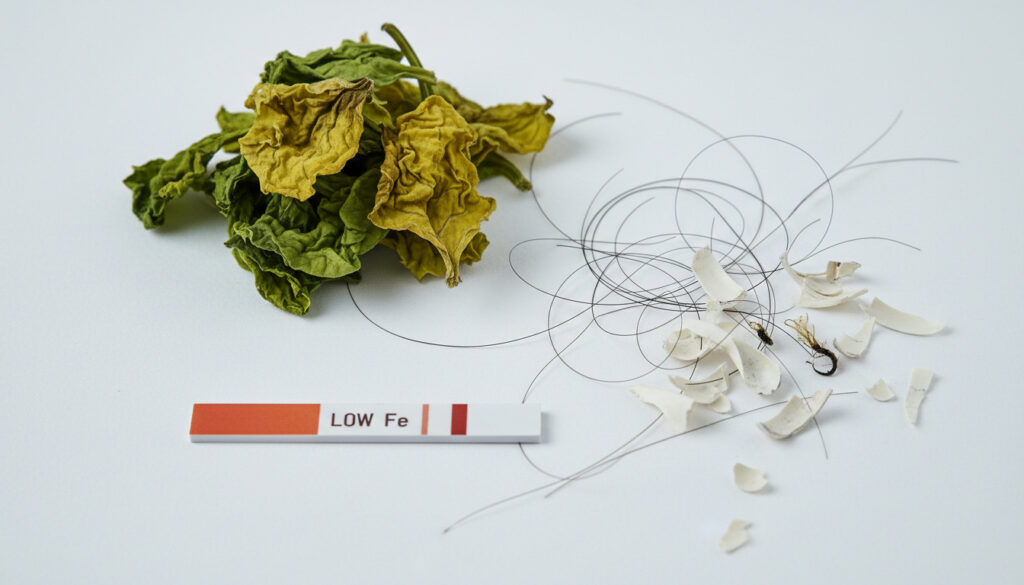
Low Iron Symptoms Female – Recognize Key Warning Signs
Iron deficiency affects roughly one in five women during their reproductive years, often manifesting through subtle physical changes that many dismiss as the result of busy lifestyles or stress. The condition occurs when the body lacks sufficient iron to produce hemoglobin, the protein in red blood cells responsible for transporting oxygen to tissues. Without adequate oxygen delivery, systems throughout the body gradually slow down, producing a constellation of symptoms that range from mild fatigue to severe cardiovascular strain.
Recognizing these warning signs early proves particularly critical for women, who face unique physiological demands including menstruation, pregnancy, and lactation. Unlike men, who typically maintain iron stores through steady metabolic processes, women experience regular iron losses that can deplete reserves over months or years. Understanding how these deficiencies present—and why they disproportionately impact females—provides the foundation for timely diagnosis and effective intervention.
What Are the Most Common Symptoms of Low Iron in Women?
Fatigue & Weakness
Persistent exhaustion unrelated to activity level often signals reduced oxygen transport to muscles.
Pale Skin & Hair Loss
Reduced hemoglobin lightens complexion, while inadequate iron starves hair follicles of growth nutrients.
Shortness of Breath
The heart and lungs strain to compensate for oxygen deficits, causing breathlessness during mild exertion.
Restless Legs & Headaches
Neurological symptoms including limb discomfort and cerebral oxygen shortages disrupt daily function.
- Iron deficiency ranks as the most common nutritional deficiency globally, with women of reproductive age comprising the highest-risk demographic.
- Ferritin levels often drop before hemoglobin falls, meaning women may experience symptoms weeks or months before formal anemia diagnosis.
- Fatigue typically emerges as the earliest indicator, though women frequently attribute it to hormonal cycles or psychological stress.
- Physical manifestations like koilonychia (spoon-shaped nails) and glossitis (inflamed tongue) appear in established deficiency but often go unnoticed.
- Cold extremities result from peripheral vasoconstriction as the body prioritizes oxygen delivery to vital organs.
| Symptom | Physiological Cause | Typical Onset |
|---|---|---|
| Fatigue | Reduced oxygen-carrying capacity | Early (low ferritin) |
| Pale skin | Decreased hemoglobin concentration | Early to moderate |
| Hair loss | Disrupted follicle cell proliferation | Moderate deficiency |
| Brittle nails | Impaired keratin formation | Moderate to advanced |
| Restless legs | Dopaminergic dysfunction from low iron | Moderate |
| Pica (ice craving) | Unknown neurological mechanism | Advanced |
| Rapid heartbeat | Cardiac compensation for hypoxia | Anemia stage |
| Shortness of breath | Increased respiratory rate | Anemia stage |
Why Are Women More Prone to Low Iron Levels?
The Impact of Heavy Menstrual Periods
Menstruation represents the primary driver of iron depletion in premenopausal women. Women with heavy periods (menorrhagia) lose significantly more blood than the average 30-40 milliliters per cycle, expelling upwards of 80 milliliters monthly. This chronic blood loss strips the body of hemoglobin and the iron contained within those cells. According to Yale Medicine, this physiological reality means women require substantially higher iron intake than men to maintain equilibrium, yet dietary habits rarely adjust to compensate for these cyclical losses.
Pregnancy and Increased Demands
Gestation creates a perfect storm for iron deficiency. The developing fetus requires iron for neurological development and oxygen transport, while maternal blood volume expands by up to 50 percent, diluting existing hemoglobin concentrations. Research indicates that routine screening gaps leave many women entering pregnancy already deficient, unprepared for the tripling of iron requirements during the second and third trimesters. Without intervention, these shortages contribute to preterm birth risks and maternal cardiovascular complications.
Currently, no standard guidelines mandate routine iron screening for asymptomatic women of reproductive age, meaning deficiencies often progress undetected until severe anemia develops or pregnancy complications arise.
Dietary and Absorption Factors
Beyond reproductive losses, women following vegetarian or vegan diets face reduced absorption of non-heme iron found in plant sources. Phytates in grains and legumes bind iron, preventing intestinal uptake, while gastrointestinal conditions like celiac disease or gastric bypass surgery further limit absorption capacity. Clinical observations note that women with chronic GI bleeding from ulcers or inflammatory bowel disease face additional stealth iron losses that compound menstrual depletion.
While legal frameworks like the Age of Consent UK govern different aspects of women’s health autonomy, medical decision-making regarding iron screening remains largely patient-driven rather than protocol-mandated.
Can Low Iron Cause Hair Loss, Weight Gain, or Other Issues in Females?
Hair Loss and Brittle Nails
Iron serves as an essential cofactor for ribonucleotide reductase, the enzyme driving DNA synthesis in rapidly dividing cells like hair follicles and nail matrix cells. When ferritin drops below optimal thresholds, follicles enter premature resting phases, resulting in diffuse shedding across the scalp. The American Society of Hematology confirms that iron deficiency represents a reversible cause of telogen effluvium, particularly in women. Nails simultaneously develop koilonychia—a spoon-shaped concavity—or become brittle and prone to cracking as keratin synthesis falters.
Pagophagia, the compulsive consumption of ice, signals advanced iron deficiency. While the neurological mechanism remains unclear, this pica often resolves within days of initiating iron supplementation, serving as both a symptom and informal diagnostic clue.
Restless Legs and Neurological Symptoms
Low iron status disrupts dopamine neurotransmission in the substantia nigra, triggering restless legs syndrome (RLS)—an irresistible urge to move the limbs, particularly at night. Mayo Clinic documentation identifies RLS as a frequent harbinger of deficiency in women, often preceding overt anemia. Concurrent symptoms include headaches and dizziness stemming from reduced cerebral oxygenation, sometimes accompanied by cognitive fog and concentration difficulties.
The Weight Gain Question
While some women report weight gain concurrent with iron deficiency, the relationship remains scientifically ambiguous. Hypothyroidism—frequently comorbid with iron deficiency—may drive weight increases through metabolic slowdown rather than iron status itself. Studies suggest that low iron reduces exercise tolerance and physical activity levels, potentially promoting weight gain through reduced caloric expenditure rather than direct physiological mechanisms.
Anxiety and depression symptoms occasionally accompany iron deficiency, but clinicians caution against attributing psychological distress solely to anemia without thorough psychiatric evaluation, as causation remains bidirectional and complex.
How Do You Know If You Have Low Iron and What to Do Next?
Blood Tests and Ferritin Levels
Diagnosis requires specific serum measurements beyond standard complete blood counts. Ferritin—the protein storing iron—offers the most sensitive indicator of deficiency, often dropping before anemia develops. Clinicians typically order ferritin alongside hemoglobin, serum iron, and total iron-binding capacity (TIBC) to assess transferrin saturation. Yale Medicine specialists emphasize that women experiencing symptoms should request ferritin testing specifically, as hemoglobin alone may appear normal during early deficiency stages.
Dietary Strategies and Supplementation
First-line treatment involves oral ferrous sulfate or similar preparations prescribed based on deficiency severity. Simultaneous dietary modification emphasizes heme iron from animal sources or fortified cereals paired with vitamin C to enhance non-heme absorption. Dietary guidelines recommend separating iron-rich meals from tea or coffee consumption by at least one hour, as polyphenols inhibit intestinal uptake. For women with heavy menstrual bleeding, treating the underlying gynecological issue proves as critical as iron replacement.
Just as financial planning tools like the Stamp Duty Calculator UK help assess property transaction costs, medical cost-benefit analyses favor proactive iron testing over emergency anemia treatment. For those interested in canine gestation, you can learn how long are dogs pregnant.
How Do Low Iron Symptoms Progress Over Time?
- Stage 1: Iron Depletion — Ferritin drops below 30 ng/mL; no anemia yet. Women may notice subtle fatigue or pale inner eyelids.
- Stage 2: Iron Deficiency Without Anemia — Hemoglobin remains normal but transferrin saturation falls. Hair shedding increases; restless legs may emerge.
- Stage 3: Iron Deficiency Anemia — Hemoglobin drops below 12 g/dL. Symptoms escalate to include shortness of breath, rapid heartbeat, and pica behaviors.
- Stage 4: Severe Anemia — Hemoglobin below 8 g/dL triggers chest pain, cognitive impairment, and high-risk pregnancy complications requiring transfusion or IV iron.
What Is Established vs. Still Uncertain About Low Iron in Women?
| Established Facts | Areas Requiring Further Study |
|---|---|
| Heavy menstrual bleeding causes iron deficiency | Exact ferritin thresholds for symptom onset in women |
| Ferritin testing detects deficiency before anemia | Direct causal link to weight gain vs. correlation |
| Restless legs syndrome correlates with low ferritin | Mechanism behind pagophagia (ice craving) |
| Oral iron treats deficiency effectively | Optimal screening intervals for asymptomatic women |
| Pregnancy increases iron requirements threefold | Long-term cognitive effects of subclinical deficiency |
Why Do Women Often Miss the Signs of Low Iron?
Social conditioning leads many women to normalize fatigue, dismissing it as an inevitable consequence of professional and domestic responsibilities. The American Medical Association notes that women frequently attribute iron deficiency symptoms to depression, poor sleep hygiene, or hypothyroidism, delaying diagnostic blood work for months or years. This diagnostic gap proves particularly pronounced among women of color, where pallor presents differently on darker skin tones, potentially obscuring classic physical examination findings like conjunctival pallor.
The absence of routine screening protocols exacerbates this oversight. Unlike blood pressure or cholesterol assessments performed at annual physicals, ferritin levels require specific requests, leaving the burden of recognition on patients already struggling with brain fog and exhaustion. Consequently, many women advance to moderate or severe deficiency before receiving intervention.
What Do Medical Experts Say About Iron Deficiency in Women?
Initially, iron deficiency anemia can be so mild that it goes unnoticed. But as the body becomes more deficient in iron and anemia worsens, the signs and symptoms intensify.
Mayo Clinic
Many women enter pregnancy already iron deficient because there is no routine screening for women of reproductive age.
Yale Medicine
Women may dismiss these symptoms as stress, poor sleep, or depression, which delays diagnosis.
American Medical Association
Key Takeaways on Low Iron Symptoms in Women
Iron deficiency in women progresses through distinct stages, beginning with fatigue and hair changes while advancing to cardiovascular strain if untreated. Heavy menstruation and pregnancy create unique vulnerabilities requiring proactive monitoring beyond standard blood counts. While established treatments including supplementation and dietary modification prove effective, the current lack of routine screening places responsibility on women to recognize patterns like restless legs or ice cravings and request specific ferritin testing.
Frequently Asked Questions About Low Iron in Females
What are early signs of low iron in females?
Early indicators include persistent fatigue despite adequate sleep, pale skin or inner eyelids, increased hair shedding during brushing, and brittle nails that split easily.
Can low iron cause anxiety in women?
While some women experience anxiety or brain fog alongside deficiency, researchers have not established direct causation; these symptoms may reflect secondary effects of physical exhaustion or comorbid conditions.
Why does low iron cause restless legs?
Iron deficiency disrupts dopamine production in the brain’s motor control centers, creating uncomfortable limb sensations typically relieved only by movement, particularly at night.
How is low iron different from anemia?
Low iron (low ferritin) indicates depleted stores without necessarily affecting hemoglobin levels; anemia develops only when deficiency impairs red blood cell production, causing more severe symptoms like shortness of breath.
What foods help low iron in women?
Heme iron from red meat, poultry, and fish absorbs most efficiently; plant sources like lentils and spinach require vitamin C pairing to enhance uptake, while tea and coffee inhibit absorption.
Can heavy periods cause low iron?
Yes, menorrhagia represents the leading cause of iron deficiency in premenopausal women, with blood loss exceeding 80 milliliters per cycle significantly increasing depletion risk.
More related posts
 Graham Norton – Biography, Net Worth, Husband and Career
 Noah’s Ark – The Story, Evidence Debate, and Modern Attractions
 Avatar Fire and Ash – Complete Guide to Cast Release and Streaming
 Rhys Ifans – Biography, Movies, TV Shows, and Career Highlights
 Peter Kay Illness – The Truth About His Health and 2025 Tour
 F1 Race Start Time – British GP Silverstone Schedule
 Faf De Klerk – Height Age Wife Net Worth Career
 Mitford Sisters – Scandals, Marriages, and the 2025 TV Series