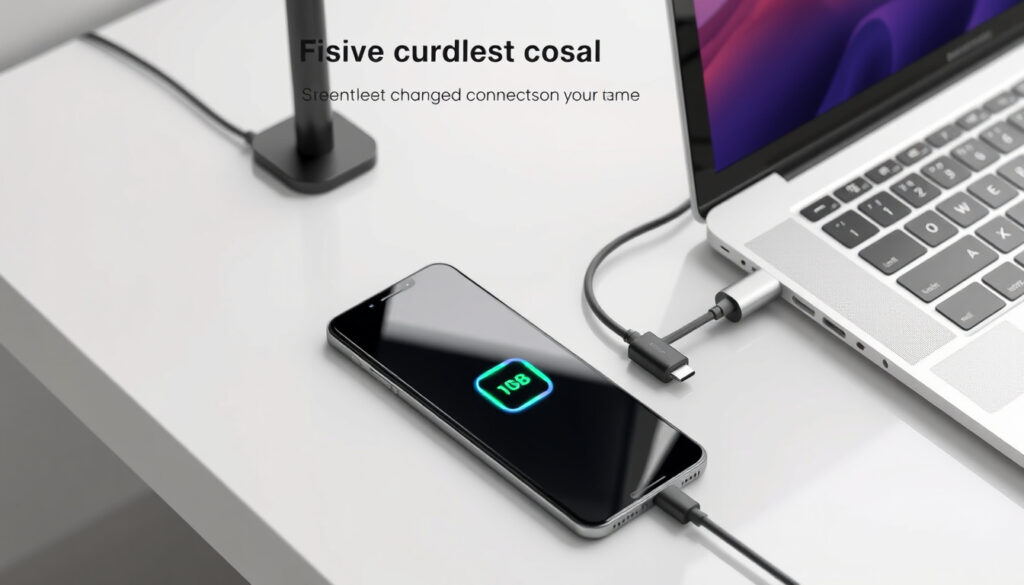
USB to USB-C – Complete Guide to Charging and Data
Ultimate USB to USB-C Cable Guide: Everything You Need to Know
USB-A to USB-C cables bridge the gap between legacy hardware and modern devices, enabling charging and data transfer across billions of existing ports. Understanding their capabilities and limitations helps consumers make informed purchasing decisions in an increasingly USB-C-dominated world.
The rectangular USB-A connector has been a staple of computing for over two decades, appearing on chargers, laptops, desktops, and automotive infotainment systems. The oval USB-C connector, introduced in 2014, offers a reversible design and significantly higher performance potential. For users with older equipment seeking compatibility with newer devices, USB-A to USB-C cables provide a practical solution without requiring hardware upgrades.
However, these cables come with inherent constraints. Performance ceilings exist based on the USB-A interface itself, meaning even premium cables cannot match the full capabilities of USB-C to USB-C alternatives. This guide examines specifications, use cases, purchasing considerations, and expert recommendations to help readers choose the right cable for their specific needs.
What Is a USB to USB-C Cable and How Does It Work?
A USB to USB-C cable features a USB-A connector on one end and a USB-C connector on the other, allowing connections between legacy USB-A ports and modern USB-C devices. The USB-A side plugs into traditional ports found on older chargers, computers, car stereos, and power banks, while the USB-C side connects to contemporary smartphones, tablets, laptops, and peripherals.
Unlike USB-C to USB-C cables that support the full USB Power Delivery specification, USB-A to USB-C variants operate within constraints imposed by the USB-A interface. The USB-A port provides power and data communication, but it cannot negotiate the high-wattage charging protocols that USB-C to USB-C connections enable. This fundamental limitation shapes what these cables can and cannot accomplish.
The USB-A connector is rectangular with a flat face and requires orientation for insertion. The USB-C connector is oval and fully reversible, eliminating the frustration of incorrect insertion attempts. This physical difference reflects the broader design philosophy behind each standard.
Quick Reference: USB-A to USB-C Basics
USB-A (rectangular) to USB-C (oval)
Charging + data transfer
Up to 10 Gbps (USB 3.2 Gen 2)
3 ft, 6 ft, 10 ft
Key Insights Before You Buy
- Not all cables support Power Delivery (PD); USB-A ends cannot negotiate PD protocols
- USB 2.0 cables limit data transfer to 480 Mbps, suitable for basic file transfers
- The reversible USB-C end simplifies physical connection compared to older standards
- Look for USB-IF certification to ensure safety and specification compliance
- Charging speeds cap around 18W regardless of cable quality, due to USB-A limitations
- Data speeds depend on both cable specification and host port capabilities
- Nylon-braided cables with thick strain relief significantly reduce breakage rates
| Feature | USB-A to USB-C | Notes |
|---|---|---|
| Charging | Yes, up to 18W | Cable must support fast charging protocols |
| Data | Up to 10 Gbps | Depends on USB version (2.0 vs 3.x) |
| Video Output | Possible with Alt Mode | Rare for standard USB-A to C cables |
| PD Support | Limited | Cannot deliver full 100W+ charging |
| Reversibility | USB-C side only | USB-A requires correct orientation |
| Typical Price | $8–$25 | Varies by brand and specifications |
Can You Use USB-A to USB-C Cables for Charging?
Yes, USB-A to USB-C cables can charge devices, but with significant limitations compared to USB-C to USB-C alternatives. The charging capability tops out at approximately 15–18 watts due to the inherent constraints of the USB-A interface. This contrasts sharply with USB-C to USB-C cables that can deliver up to 240 watts under the USB Power Delivery 3.1 specification.
The power delivery negotiation that enables fast charging requires end-to-end USB-C connections. USB-A ports lack the necessary circuitry to communicate with devices using PD protocols. Consequently, devices charged via USB-A to USB-C cables rely on older charging standards such as Quick Charge (QC) or standard USB charging, which cap at lower wattages.
Charging Scenarios by Device Type
iPhone users with models from iPhone 15 onward can use USB-A to USB-C cables for both charging and data transfer. Charging speeds reach approximately 20 watts, but this remains slower than using a USB-C to USB-C cable with a PD-compatible charger, which can deliver higher wattages for faster replenishment. Testing shows that pairing iPhones with PD 3.0 or Quick Charge 4.0 chargers improves results, though the USB-A to USB-C combination inherently limits maximum input.
Android devices, including Samsung Galaxy models, work with USB-A to USB-C cables and support fast charging protocols. However, the USB-A interface caps charging at around 18 watts even when the device itself supports 60-watt charging capability. This creates a bottleneck that becomes noticeable during time-sensitive charging situations.
Laptops such as MacBook models can charge via USB-A to USB-C cables, but at significantly reduced speeds. A laptop that normally charges at 65 or 96 watts via USB-C PD will charge much more slowly when connected through a USB-A to USB-C cable. Data transfer speeds also suffer, with maximum throughput limited by the cable’s USB specification and the USB-A host port.
Understanding Power Delivery Limitations
USB-A to USB-C cables cannot deliver full USB Power Delivery speeds. The USB-A connector simply lacks the pins and circuitry required to negotiate high-wattage charging. If your device supports 45W, 65W, or higher charging, you will need USB-C to USB-C cables to achieve those speeds.
The practical implication is that USB-A to USB-C cables serve well for emergency charging, compatibility with older chargers, or situations where peak charging speed is not critical. For daily use with devices that support fast charging, upgrading to USB-C to USB-C cables and chargers provides substantial time savings.
What Speeds and Data Transfer Does USB to USB-C Support?
Data transfer speeds on USB-A to USB-C cables vary considerably depending on the USB specification the cable supports. USB 2.0 cables deliver maximum theoretical speeds of 480 Mbps, which suffices for transferring photos, music, and small documents. USB 3.0 and newer specifications offer progressively higher throughput, with top-tier USB 3.2 Gen 2 cables reaching 10 Gbps.
The USB-A connector itself imposes speed ceilings that USB-C to USB-C cables do not face. While USB-C to USB-C connections can achieve USB4 and Thunderbolt 4 speeds up to 40 Gbps, USB-A to USB-C combinations rarely exceed 10 Gbps due to the USB-A interface limitations.
USB Standards and Maximum Data Speeds
| USB Standard | Max Data Speed | Typical Cable Example | Best Use Case |
|---|---|---|---|
| USB 2.0 | 480 Mbps | Anker Powerline | Basic file transfers, photos, music |
| USB 3.0 / 3.2 Gen 1 | 5 Gbps | Anker Premium Nylon | Backups, larger files, moderate speed needs |
| USB 3.1 / 3.2 Gen 2 | 10 Gbps | Belkin USB-A to USB-C | Large file transfers (100GB+ in minutes) |
| USB4 / Thunderbolt 4 | 40 Gbps | Not available with USB-A ends | Requires USB-C to USB-C connections |
The speed a user actually experiences depends on matching components. A USB 3.2 Gen 2 cable connected to a USB 2.0 host port will deliver USB 2.0 speeds. Similarly, connecting a USB 3.0 cable to a USB 3.0 port yields full USB 3.0 performance. Both the cable and both connected devices must support a given specification for optimal speeds.
Compatibility Across Device Categories
For iPhone users, USB-A to USB-C cables handle data transfer and charging effectively. The iPhone 15 and later models use USB-C for charging, so the cable connects the USB-C device to a USB-A power source. Data transfer speeds depend on the cable’s USB specification, with USB 3.0 cables providing faster syncing than USB 2.0 alternatives.
Samsung Galaxy and other Android devices work similarly with USB-A to USB-C cables. The USB-C side accepts the cable while the USB-A side connects to legacy chargers or computers. Data transfers proceed at rates matching the cable’s specification, though actual speeds may vary based on device and host capabilities.
To achieve the fastest data transfer rates, ensure your USB-A to USB-C cable matches your host port specification. If your computer has USB 3.0 ports, use a USB 3.0 or higher cable. Using a USB 2.0 cable with a USB 3.0 port wastes potential bandwidth.
Adapters that convert USB-A to USB-C introduce additional bottlenecks and should be avoided when possible. Certified adapters can minimize power loss and signal degradation, but they cannot overcome the fundamental speed limitations of the USB-A interface. For critical data transfers or fast charging, native USB-A to USB-C cables perform better than adapter combinations.
How to Choose the Best USB to USB-C Cable?
Selecting the appropriate USB-A to USB-C cable requires balancing several factors: intended use, required power delivery, data transfer speeds, cable length, durability, and budget. Understanding these variables helps consumers avoid purchasing cables that fail to meet their specific requirements.
The primary consideration is matching cable specifications to device needs. A user primarily charging a smartphone can accept lower specifications, while someone transferring large video files requires USB 3.0 or higher bandwidth. Budget constraints often influence the choice between certified and uncertified cables, though safety considerations favor certified options.
Cable Length and Signal Quality
Cable length directly impacts signal quality and data transfer reliability. USB 2.0 cables can reach lengths up to 3 meters (approximately 10 feet) while maintaining full 480 Mbps speeds. USB 3.0 and higher specifications perform best under 1 meter, with 2–3 meter options available but potentially experiencing speed degradation.
For most consumers, standard lengths of 3 feet, 6 feet, or 10 feet cover common use cases. Shorter cables minimize signal loss for high-speed data transfers, while longer cables provide flexibility for charging in vehicles, from wall outlets at distances, or connecting devices in awkward configurations. USB4 and high-speed cables under 0.8 meters deliver maximum performance, with active cables extending reach beyond 2 meters.
Certification and Safety Features
USB-IF certification indicates that a cable has been tested for safety, durability, and specification compliance. Certified cables bear the USB-IF logo and provide reasonable assurance against charging hazards, signal issues, and premature failure. While certified cables may cost slightly more, they offer peace of mind that uncertified alternatives cannot match.
E-Marker chips appear in higher-wattage cables and communicate cable capabilities to connected devices. USB-A to USB-C cables rarely require E-Markers since the USB-A interface does not support high-wattage PD, but checking for this feature in USB 3.0 and higher cables ensures proper device communication.
Nylon-braided cables with thick strain relief at connector joints demonstrate significantly higher durability than non-braided alternatives. Industry data suggests that proper strain relief prevents approximately 80% of cable failures at stress points, making braided designs worthwhile for cables subjected to frequent plugging and unplugging.
Top Recommendations for 2025
Based on testing and specification analysis, several USB-A to USB-C cables stand out in their respective categories. The Anker Powerline+ (USB 3.0) offers an optimal balance of 5 Gbps data speeds, 15-watt charging capability, and durable construction, making it the best overall choice for most consumers.
For users prioritizing data transfer speed, the Belkin USB 3.1 cable delivers 10 Gbps maximum throughput, handling large file transfers efficiently when connected to compatible USB 3.1 host ports. This cable suits users regularly backing up devices or transferring video content.
Those seeking the fastest possible charging and data speeds should consider upgrading to USB-C to USB-C cables entirely. The Anker Powerline III 100W supports high-wattage charging via USB-C PD, while Thunderbolt 4 cables reach 240-watt charging and 40 Gbps data speeds, representing the current performance ceiling.
Key Differences: USB-A to USB-C vs. USB-C to USB-C
| Feature | USB-A to USB-C | USB-C to USB-C |
|---|---|---|
| Maximum Power | 15–18W | 100–240W (PD 3.1) |
| Maximum Data Speed | 10 Gbps | 40 Gbps (USB4/TB4) |
| Best Use Case | Legacy ports, older chargers | Modern fast charging, high-speed data |
| Power Delivery Support | Limited/None | Full PD 3.1 support |
| Available Lengths | Up to 3 meters | Up to 3m passive; active for longer |
| Reversible Connector | USB-C side only | Both ends |
USB-A to USB-C cables excel at backward compatibility, working with the billions of USB-A ports existing worldwide. This makes them valuable for users with older equipment who need to connect modern USB-C devices. USB-C to USB-C cables provide peak performance for users with newer equipment and faster charging needs. Many users benefit from owning both types to handle different scenarios.
The Evolution of USB Standards
The USB standard has evolved significantly since its introduction in the mid-1990s, with each iteration bringing higher speeds, greater power delivery, and improved connector designs. Understanding this timeline provides context for current capabilities and future expectations.
- 2008: USB 3.0 specification released, introducing 5 Gbps speeds—approximately ten times faster than USB 2.0—along with improved power management
- 2014: USB-C connector officially introduced, offering reversible orientation, compact size, and support for alternate modes including DisplayPort and Thunderbolt
- 2018: USB Power Delivery 3.0 specification finalized, enabling higher wattage charging up to 100W with improved fast charging negotiation
- 2022: USB4 version 2.0 announced, achieving 80 Gbps theoretical speeds and unifying Thunderbolt and USB protocols
- 2024: USB PD 3.1 extension increases maximum power to 240W, enabling laptop charging without separate power adapters
The transition from USB-A dominance to USB-C adoption has accelerated in recent years, with regulatory pressure in the European Union and industry convergence driving manufacturers toward USB-C implementation. By 2025, approximately 80% of new devices ship with USB-C ports, though USB-A ports remain common in older equipment, automotive applications, and budget devices.
What You Can Count On vs. What Remains Uncertain
When evaluating USB-A to USB-C cables, distinguishing established facts from areas of uncertainty helps set realistic expectations and avoid disappointment.
| Established Information | Uncertain or Variable Factors |
|---|---|
| USB-A to USB-C cables work with most modern devices | Fast charging performance depends on specific cable and charger combinations |
| Maximum charging caps around 18W due to USB-A limitations | Actual data speeds vary based on host port and cable quality |
| USB 2.0 cables are sufficient for basic charging and data | Long-term durability varies significantly between brands |
| Certified cables provide safer operation than uncertified alternatives | Some devices may charge slower than expected with certain cables |
| USB-C connector is reversible regardless of cable type | Compatibility with specific device models requires verification |
A common misconception holds that USB-C always means faster speeds and higher power than USB-A. This is not accurate. The USB-C connector format enables these capabilities, but the underlying USB specification and host port limitations determine actual performance. A USB 2.0 USB-A to USB-C cable cannot deliver USB 3.0 speeds regardless of connector design.
Why the Market Is Shifting to USB-C
The computing and mobile industries have converged on USB-C as the preferred connector standard for several compelling reasons. Higher power delivery enables device charging without separate proprietary adapters. Faster data speeds accelerate file transfers and backups. The reversible connector improves user experience and reduces frustration.
Regulatory pressure has reinforced this trend. The European Union mandated that all consumer electronics sold in the region must include USB-C charging ports by late 2024, prompting manufacturers to adopt the standard across product lines. Apple, which long defended its Lightning connector, has transitioned iPhones to USB-C following this regulatory direction.
USB-A ports continue appearing on new products due to compatibility requirements. Billions of USB-A chargers, computers, car stereos, and power banks remain in use, creating ongoing demand for USB-A to USB-C cables. This dual-transition period will persist for years as older equipment remains functional while new devices increasingly feature USB-C exclusively.
What Experts and Standards Say
The USB Implementers Forum (USB-IF), the industry body responsible for USB specifications, emphasizes that cables must be rated for their intended use. Using cables beyond their specifications risks device damage, charging failures, or data loss.
“USB-C cables must be rated for intended use. Cables exceeding 60W capacity require E-Marker chips to verify capability.”
— USB Implementers Forum
Technical publications specializing in hardware testing recommend prioritizing USB-IF certification when purchasing cables. Testing methodologies examine actual performance against specifications, identifying cables that overstate capabilities or fail under load. Consumer reviews supplement but do not replace specification verification.
Safety advisories consistently warn against using uncertified cables for high-wattage charging. While USB-A to USB-C cables inherently limit charging to lower wattages, uncertified cables can still overheat, damage devices, or present fire hazards. Spending slightly more on certified cables provides meaningful protection.
Final Recommendations
USB-A to USB-C cables serve valuable purposes for users needing compatibility with existing USB-A ports. They enable charging and data transfer without replacing older equipment, providing practical solutions for vehicles, legacy computers, and budget charging setups. For these use cases, the Anker Powerline+ and similar USB 3.0 cables deliver reliable performance.
Users requiring fast charging or high-speed data transfer should consider USB-C to USB-C cables as primary options. The performance gap between USB-A to USB-C and USB-C to USB-C continues widening as devices adopt higher charging speeds and faster data standards. For new purchases serving contemporary devices, USB-C to USB-C cables generally represent better investments.
Regardless of cable type, prioritizing USB-IF certification, durable construction, and appropriate specifications for your devices ensures safety and performance. Understanding limitations upfront prevents disappointment and supports smarter purchasing decisions. For deeper exploration of USB-C technology, consult the USB-A to USB-C Fast Charge Cable guide.
Frequently Asked Questions
Can a USB to USB-C cable damage my phone?
Certified USB-A to USB-C cables are safe for phones and cannot cause damage under normal use. The USB-A interface limits power delivery to safe levels for mobile devices. However, uncertified cables may pose overheating risks.
What’s the difference between USB to USB-C and Lightning cables?
USB to USB-C cables use the industry-standard USB connector on both ends, while Lightning is Apple’s proprietary connector found on older iPhones and iPads. USB-C offers faster charging and data speeds when paired with compatible equipment.
Do all USB-A to USB-C cables support fast charging?
No, only cables with appropriate circuitry support fast charging protocols like Quick Charge. USB 2.0 cables may charge devices but at standard speeds. Check specifications for Quick Charge or PD compatibility.
How long can a USB-A to USB-C cable be?
USB 2.0 cables function reliably up to 3 meters (10 feet). USB 3.0 and higher cables work best under 1 meter, with options up to 3 meters that may experience speed reductions.
Can I use USB-A to USB-C for laptop charging?
Yes, but charging will be significantly slower than with USB-C to USB-C cables. Laptop charging via USB-A to USB-C typically maxes out at 15–18W versus 65W or higher via USB-C PD.
Are expensive USB-A to USB-C cables worth it?
Certified cables from reputable brands provide better durability and reliability. Budget cables may work but often fail sooner or misrepresent specifications. The price difference is usually justified for frequently-used cables.
Does USB-A to USB-C support data transfer?
Yes, all USB-A to USB-C cables support data transfer. Speed depends on the USB specification—USB 2.0 at 480 Mbps, USB 3.0 at 5 Gbps, USB 3.1 at 10 Gbps.
More related posts
 Pape Matar Sarr – Age, Height, Family, and Career Stats
 Lela Loren – Husband, Net Worth, Ethnicity, and Bio
 Bayern vs Eintracht Frankfurt – Result, Lineups, Stats
 Only Fools Horses – Seasons, Episodes & Streaming Guide 2025
 Yerin Ha – Age, Height, Ethnicity, Movies and Bridgerton Role
 Swing and Slide Set – Best 2025 Picks by Budget and Yard
 Moon Knight – Marvel Hero, TV Series and Powers Explained
 Raoul Moat – Manhunt, Gazza Visit and Chris Brown Myth Explained