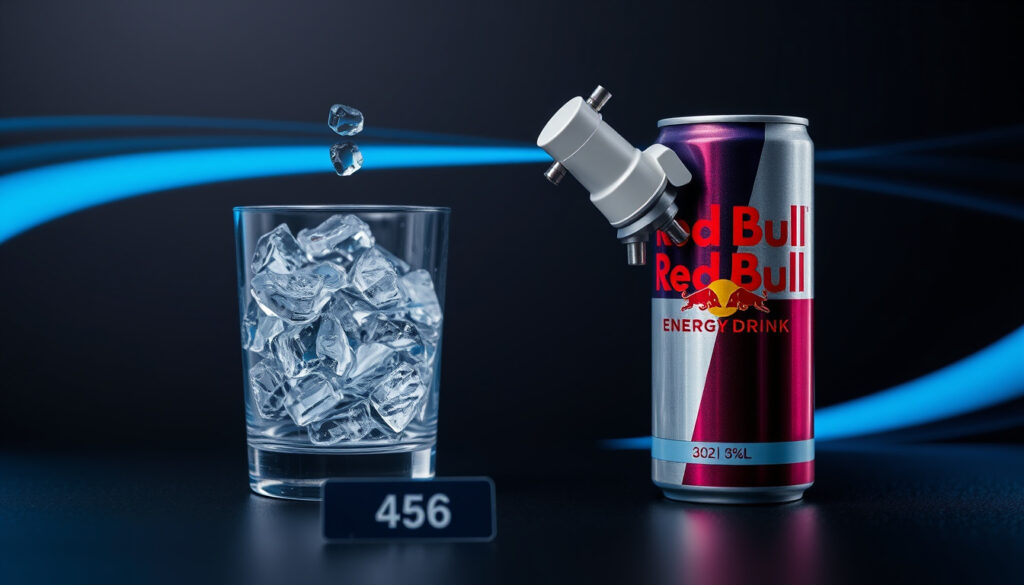
Red Bull – Ingredients, Alcohol, Ownership, and Pricing
Red Bull is a globally recognized Austrian energy drink brand that has built a vast empire spanning beverages, extreme sports, and Formula 1 racing. Owned by Red Bull GmbH, the company has cultivated a distinct identity centered on energy, performance, and adventure. The drink itself, launched in 1987, was adapted from a Thai energy drink called Krating Daeng by co-founders Dietrich Mateschitz and Chaleo Yoovidhya.
Today, the brand commands a significant share of the global energy drink market, but it is also a major media and sports entity. This guide breaks down the essential facts about Red Bull, covering its ingredients, ownership, alcohol content, pricing, and the truth behind common myths. Understanding what the product contains and who owns the company clarifies many of the frequent questions people have.
What is Red Bull? A Brand Overview
Company
Red Bull GmbH (Austria)
Owner
Dietrich Mateschitz (posthumously, family/co-owners)
Product
Energy drink (no alcohol by default)
Key Variants
Original, Sugarfree, Zero, Editions (e.g., Red Bull Hardline)
Red Bull’s ascent from a single product to a global phenomenon is built on several key pillars. The brand owns multiple sports teams and media channels, creating a vast content ecosystem that extends far beyond beverage sales. Understanding these core aspects provides a clear picture of the company’s scale and influence.
- Red Bull is a non-alcoholic energy drink; the alcohol rumor is often conflated with other products or mixers.
- The brand owns multiple sports teams (F1, football) and media channels, creating a vast content ecosystem.
- Dietrich Mateschitz co-founded the brand, adapting a Thai drink for the Western market.
- A standard 8.4 oz can contains 80 mg of caffeine.
- The company is headquartered in Fuschl am See, Austria.
| Attribute | Detail |
|---|---|
| Founded | 1987 |
| Founders | Dietrich Mateschitz, Chaleo Yoovidhya |
| HQ | Fuschl am See, Austria |
| Market Share | ~13% global energy drink market |
| Alcohol | 0% (standard product) |
| Caffeine (8.4oz) | 80 mg |
| Calories (8.4oz) | ~110-115 |
Red Bull Ingredients: What’s Inside the Can?
Many consumers want to know exactly what they are consuming. The ingredients list for a standard Red Bull is straightforward, though it often sparks questions about specific compounds like taurine and caffeine. The standard drink contains caffeine, taurine, sugars (or sweeteners in zero-sugar versions), and B vitamins.
Caffeine and Taurine Content
A standard 8.4 oz (250 ml) can contains 80 mg of caffeine, which is roughly equivalent to a standard cup of coffee. The taurine content is commonly cited at 1,000 mg per can. These two ingredients are central to the drink’s energy-boosting marketing.
Sugar and Sweeteners
The original Red Bull contains 26–28 grams of sugar per can, contributing to its 110-115 calorie count. For those avoiding sugar, Red Bull offers Sugarfree and Zero variants, which use artificial sweeteners such as acesulfame K, aspartame, or sucralose.
The Alcohol Question
A persistent question is whether Red Bull contains alcohol. The standard Red Bull energy drink is explicitly non-alcoholic. It is sometimes mixed with alcohol by consumers, but the product itself contains 0% alcohol by volume.
Despite persistent rumors, standard Red Bull contains no alcohol. Any association with alcohol stems from its use as a mixer in cocktails, not from the drink itself. The term “Red Bull beer” is a misnomer; there is no official Red Bull beer product in the EU or US markets.
Understanding Red Bull Pricing and Variants
Red Bull pricing is not standardized and varies significantly depending on the country, retailer, can size, and ongoing promotions. Official sources do not list a single universal retail price, which can make comparisons difficult for consumers.
Price Variability
Because Red Bull prices fluctuate by location and vendor, it is best to check local supermarket or convenience store listings. Multi-pack purchases often offer a lower per-can cost compared to single cans.
Because Red Bull prices fluctuate by location and vendor, it is best to check local supermarket or convenience store listings. Multi-pack purchases often offer a lower per-can cost compared to single cans.
Exploring the Product Lineup
Beyond the original formula, Red Bull has expanded its lineup significantly. The Red Bull Editions line, launched in 2013, includes flavors like Tropical, Blueberry, Watermelon, and Peach-Nectarine. The brand also offers Red Bull Sugarfree, Red Bull Zero, and the concentrated Red Bull Energy Shot.
How Does Christian Horner Relate to the Red Bull Brand?
Christian Horner is the Team Principal of Oracle Red Bull Racing, the company’s Formula 1 team. While he is a key figure in the brand’s motorsport identity, he is not a founder or executive of Red Bull GmbH itself. His role is specifically within the Red Bull Racing subsidiary, which operates under the larger Red Bull GmbH umbrella.
Exploring Red Bull’s Events and Media Empire
Red Bull has built a massive media and events empire that extends far beyond selling drinks. It owns a global content studio, “Red Bull Content Pool,” which produces and distributes sports and lifestyle media. The brand is synonymous with extreme sports, hosting events like Red Bull Rampage, a world-famous freeride mountain biking competition.
This strategy has cemented Red Bull’s image as a high-energy, adventurous brand. The company’s deep involvement in Formula 1 through Red Bull Racing further solidifies its association with high performance and speed.
It is important to distinguish between the Red Bull energy drink, the Red Bull GmbH parent company, and its sports teams (like Red Bull Racing). While all fall under the same brand umbrella, they operate as distinct entities with different leadership structures.
Key Milestones for Red Bull
The timeline of Red Bull’s growth is marked by strategic expansion into new markets and sports. From its Austrian origins, it has become a global powerhouse in both the beverage and entertainment industries.
- 1987: Red Bull launched in Austria.
- 1990s: Rapid expansion across Europe and the Americas.
- 2000s: Entry into extreme sports sponsorship (e.g., Flugtag, Rampage).
- 2005: Acquisition of Jaguar Racing to form Red Bull Racing F1 team.
- 2022: Death of co-founder Dietrich Mateschitz.
What Do We Know for Certain About Red Bull?
When researching Red Bull, it is helpful to separate established facts from areas that remain unclear or private. This clarity helps consumers make informed decisions based on verified information rather than speculation.
| Established Information | Information That Remains Unclear |
|---|---|
| Red Bull does not contain alcohol (standard cans). | Exact ownership structure post-Mateschitz is private; minority shares are held by the Yoovidhya family. |
| The company is headquartered in Austria. | Red Bull “beer” is a misnomer; there is no official Red Bull beer product in the EU/US (only energy drink). |
| Christian Horner is Team Principal of Red Bull Racing. | Red Bull Hardline is a drink variant, not a beer. |
How Does Red Bull Fit Into the Beverage and Sports Context?
The primary need for a “Red Bull beer” query stems from confusion and misattribution. Consumers may confuse the energy drink with alcoholic malt beverages or assume that flavored variants like “Red Bull Hardline” contain alcohol. In reality, these are all non-alcoholic energy drinks. The brand’s heavy involvement in motorsports and high-adrenaline events sometimes blurs the lines in consumer perception, but the core product remains a non-alcoholic functional beverage.
Where Do the Facts About Red Bull Come From?
Reliable information about Red Bull’s history and market data is available via encyclopedic sources and official product statements. Official ingredient lists and product specifications are published by Red Bull GmbH and regulatory bodies like the FDA and EFSA.
Red Bull is an Austrian energy drink brand owned by Red Bull GmbH.
— Wikipedia
Common ingredients listed for Red Bull include carbonated water, sucrose/glucose, taurine, caffeine, and B vitamins.
— Red Bull Official Ingredient List & FDA
Red Bull: What’s Next for the Brand?
Following the passing of co-founder Dietrich Mateschitz in 2022, the brand’s future direction is a topic of interest. Industry observers are watching for potential expansion into new functional beverages, leadership changes at Red Bull GmbH or Red Bull Racing, and the continued evolution of its media and events empire. For more on athlete sponsorships, see the profile of Eden Hazard – Complete Career, Retirement, and Life After Football.
Frequently Asked Questions About Red Bull
How much caffeine is in Red Bull?
A standard 8.4 oz (250 ml) can of Red Bull contains 80 mg of caffeine.
Is Red Bull safe to drink daily?
Moderate consumption of Red Bull is generally considered safe per FDA guidelines, but it is best to limit daily intake due to its sugar and caffeine content.
Who invented Red Bull?
Red Bull was invented by Dietrich Mateschitz, who adapted the formula from a Thai energy drink called Krating Daeng.
Why is Red Bull so expensive?
Red Bull’s price is attributed to its brand positioning, premium marketing, and unique ingredient profile.
Does Red Bull contain taurine?
Yes, a standard can of Red Bull contains approximately 1,000 mg of taurine.
Is Red Bull a beer?
No, Red Bull is a non-alcoholic energy drink, not a beer. It contains 0% alcohol.
Where is Red Bull headquarters located?
Red Bull’s global headquarters is located in Fuschl am See, Austria.
What is Red Bull Rampage?
Red Bull Rampage is a world-famous freeride mountain biking event sponsored by Red Bull.
More related posts
 Sheffield Wednesday vs Derby County – H2H Stats and Match Report
 Love Holidays Contact Number – Official Phone Lines & Hours
 Ian Watkins – The Prison Death of a Notorious Child Sex Offender
 Joe Sugg – Biography, Net Worth, and Strictly Come Dancing
 Andy Williams – Cause of Death, Songs, and Children
 Jeff Lynne Net Worth – Inside the ELO Legend’s $100M Fortune
 Kray Twins – Complete Biography of Ronnie and Reggie Kray
 Bigg Boss 19 Winner – Gaurav Khanna and Finale Results