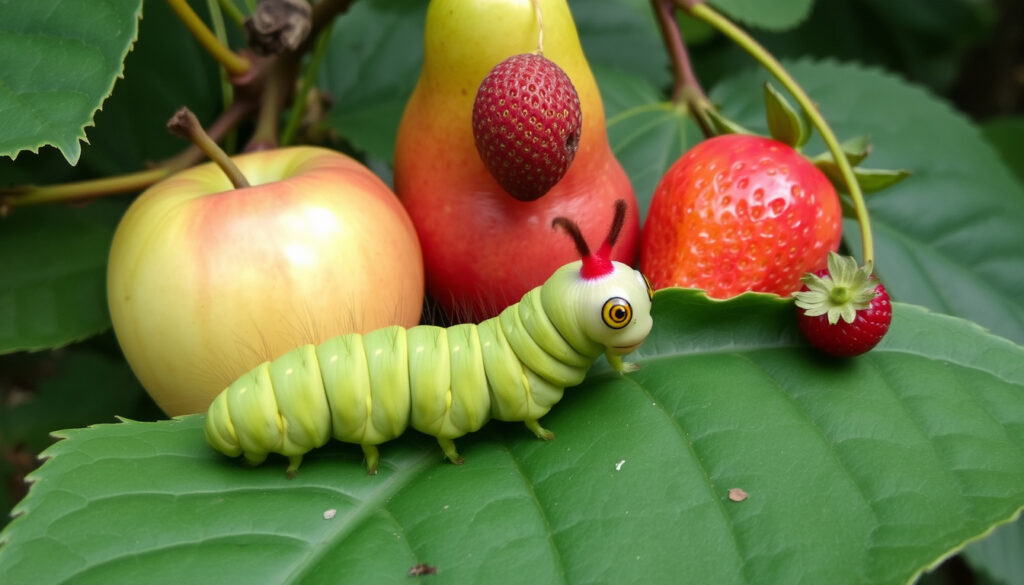
The Very Hungry Caterpillar – Complete Guide and Resources
Few children’s books have achieved the global reach and enduring appeal of The Very Hungry Caterpillar. Since its first publication in 1969, Eric Carle’s picture book has sold more than 50 million copies and been translated into over 60 languages, according to Wikipedia. The story follows a tiny caterpillar as it eats its way through a series of increasingly large meals, eventually transforming into a beautiful butterfly. Its simple plot, bold collage illustrations, and layered educational value have made it a staple in homes and classrooms worldwide.
The book’s popularity is not accidental. Educators and parents often point to its ability to teach counting, days of the week, food vocabulary, and the life cycle of a butterfly—all within a narrative that feels playful rather than instructional. As the Jumpstart early literacy resource notes, the story also speaks to themes of growth, change, and self-control.
In this guide, we explore the book’s story, its author, the recommended age range, adaptations, and the many resources available for teachers and parents.
What Is the Story of The Very Hungry Caterpillar?
The plot is cumulative and easy to follow. A tiny caterpillar hatches from an egg on a Sunday and begins searching for food. Over the next week, it eats through an increasing number of fruits—one apple on Monday, two pears on Tuesday, three plums on Wednesday, four strawberries on Thursday, and five oranges on Friday. On Saturday, it indulges in a chaotic feast of chocolate cake, ice cream, pickles, Swiss cheese, salami, a lollipop, cherry pie, sausage, a cupcake, and watermelon. That evening, it gets a stomachache. On Sunday, it recovers by eating a green leaf, builds a cocoon, and emerges two weeks later as a butterfly.
| Aspect | Details |
|---|---|
| 📖 Book Facts | Published 1969, written by Eric Carle, 26 pages, teaches days of week & counting. |
| 👶 Target Age | Ages 0–5 (babies to kindergarten); ideal for toddlers and preschoolers. |
| 🦋 Educational Themes | Life cycle of a butterfly, numbers 1–5, days of the week, healthy eating. |
| 📺 Adaptations | Animated film (YouTube), stage show, apps, and Eric Carle read-aloud video. |
Key Insights About the Book
- Why it remains a bestseller after 50+ years: Its combination of simple repetitive text, vibrant collage art, and multiple learning layers creates a timeless educational tool.
- Dual role as story and teaching resource: Teachers and parents use it simultaneously for literacy and early math/science concepts—a rare multi-purpose children’s book.
- Growing digital presence: The book has expanded into animated videos, stage productions, and apps, sustaining search demand across generations.
- Educational versatility: It introduces counting, days of the week, food groups, and the butterfly life cycle—all in one narrative.
- Global reach: Translated into more than 60 languages, it is used in early childhood classrooms around the world.
- Inspires creativity: The collage-style illustrations encourage children to create their own art based on Carle’s techniques.
Snapshot Facts
| Fact | Detail |
|---|---|
| Author & illustrator | Eric Carle (1929–2021) |
| First published | 1969 (UK: Puffin Books, US: World Publishing) |
| Pages | 26 (including endpapers) |
| ISBN | 978-0-399-22690-8 (board book) |
| Main characters | A very hungry caterpillar, various foods, a butterfly |
| Themes | Metamorphosis, counting, days of the week, nutrition |
| Awards | Multiple, including ALA Notable Children’s Book |
Who Wrote The Very Hungry Caterpillar and When Was It Published?
About Eric Carle: Author and Illustrator
Eric Carle was born in 1929 in Syracuse, New York, but grew up in Germany during World War II. He returned to the United States in 1952 and began a career in graphic design. His big break came when author Bill Martin Jr. asked him to illustrate Brown Bear, Brown Bear, What Do You See? Carle then began writing and illustrating his own books. The Eric Carle Museum of Picture Book Art in Massachusetts preserves and celebrates his legacy.
Publication History and Global Impact
The Very Hungry Caterpillar was first published in the United States in 1969 by World Publishing. A UK edition followed in 1971 under Puffin Books. The Penguin Random House official page notes that the book quickly became one of Carle’s best-known works. According to a teacher resource guide from Playhouse Square, it has sold millions of copies and been translated into dozens of languages.
Carle once said he first imagined a story about a bookworm while playing with a hole punch. His editor suggested turning the worm into a caterpillar, a change that gave the book its now-iconic transformation arc (source: Tim Warnes blog).
The Story Behind the Book’s Unique Art Style
Carle created his illustrations using hand-painted tissue paper cut into collages. This technique produces vivid layers of colour and texture that have become his hallmark. The Reading Rockets interview with Carle explains how he developed this method over decades.
What Age Group Is The Very Hungry Caterpillar Suitable For?
Recommended Age Range: Birth to Kindergarten
The book is widely considered appropriate for children from birth to age five. Board book versions are sold for babies (0–12 months) because they are durable and have simple pictures. The story length and concepts are best suited for toddlers and preschoolers. The Prindle Institute for Ethics categorises it as a picture book for early readers.
The board book edition is specifically designed for babies. Its sturdy pages survive chewing and gripping, and the bright images hold infant attention. The full narrative is more engaging for children aged 2–4.
Learning Objectives: Counting, Days of the Week, and Life Cycles
According to PSLV children’s literature resources, the book is commonly used to teach counting and number sequencing, days of the week, healthy eating, and the butterfly life cycle. Educators often pair it with hands-on activities such as sequencing cards, fruit counting exercises, and butterfly metamorphosis projects.
How Parents and Teachers Can Use the Book
The classroom resource guide from Playhouse Square recommends preparing background information, discussion questions, and related art projects. One educational review suggests reenacting the story with puppets or student-made props as a language arts activity. The book aligns with early learning standards in numeracy, literacy, and science.
Is There a The Very Hungry Caterpillar Show, Movie, or Video?
The Official Animated Film (YouTube & Streaming)
An official animated short film produced by Eric Carle Studio is available on YouTube. It runs about six minutes and features the book’s text read aloud with animation of Carle’s illustrations. You can watch the official animated film here.
The Stage Show: Live Theatre Adaptations
A stage production called The Very Hungry Caterpillar Show debuted at the Sydney Festival in 2015 and has since toured internationally. It includes puppets of Carle’s characters and features several of his stories. The show is designed for young audiences and runs about 45 minutes.
Eric Carle’s Own Read-Aloud Video
In addition, Eric Carle himself recorded a reading of the book, which is available on YouTube through the official Puffin Books channel. It gives children a chance to hear the story in the author’s own voice.
A UK television adaptation was produced by the Illuminated Film Company in 1993, according to Wikipedia. It aired as part of a children’s programming block.
Key Milestones in the History of The Very Hungry Caterpillar
- 1969 – First published in the United States.
- 1971 – Published in the UK by Puffin Books.
- 1994 – Board book edition released.
- 2004 – The Very Hungry Caterpillar App launched.
- 2009 – Official animated short film produced by Eric Carle Studio.
- 2015 – The Very Hungry Caterpillar Show premieres at the Sydney Festival.
- 2022 – Eric Carle passes away; renewed interest in his works.
- 2023 – 50th anniversary editions and special events.
Is It a Poem? And Other Common Questions
| Question | Established Information | Information That Remains Unclear |
|---|---|---|
| Is The Very Hungry Caterpillar a poem? | The book uses repetitive, rhythmic language and a cumulative structure, which gives it a poetic feel. Many educators classify it as a poem for children. | The text is written as prose, not as a formal poem with stanza breaks. The author did not label it a poem. |
| What species of butterfly does the caterpillar turn into? | Visually, the butterfly resembles a tiger swallowtail, but no species is named in the book. | Eric Carle never specified an exact species. The book is used to teach the general butterfly life cycle, not precise entomology. |
| Is the book appropriate for babies? | Yes—board book versions are widely sold for babies. The simple images and sturdy pages are suitable from birth. | The full narrative is longer; some babies may lose interest before the end. It is better suited for toddlers. |
Educational Impact and Cultural Significance
The Very Hungry Caterpillar is a staple in early childhood classrooms. It aligns with Common Core standards for counting, sequencing, and understanding life cycles. Many teachers use it to introduce metamorphosis through hands-on activities such as raising caterpillars in the classroom.
With over 50 million copies sold worldwide and translations into more than 60 languages, the book is one of the best-selling children’s books of all time. Its enduring popularity drives continuous search traffic for related resources, and its cultural footprint extends to merchandise, museum exhibitions, and educational apps.
For more on children’s literature and seasonal resources, see Children’s Mental Health Week – 2026 Dates, Theme and Resources.
Where to Find Reliable Information and More Resources
“In the light of the moon a little egg lay on a leaf.”
First line of The Very Hungry Caterpillar
“He ate through one piece of chocolate cake, one ice-cream cone, one pickle…”
Text showing the Saturday eating spree
For comprehensive facts, the Wikipedia article remains a neutral, cited resource on plot, publication, and adaptations. The Eric Carle Museum offers biographical information and teaching guides. For educational activities, the PSLV Children’s Literature Resources page provides classroom ideas.
What Makes The Very Hungry Caterpillar a Timeless Classic?
The book’s combination of a memorable repetitive structure, bright collage illustrations, and layered educational value has kept it in print for over five decades. It works as a simple story for toddlers, a counting lesson for preschoolers, and a science introduction for early elementary students. No other picture book has managed to be so many things to so many age groups so consistently. For more classic children’s stories, see How the Grinch Stole Christmas – All Versions and Where to Watch.
Frequently Asked Questions
How many pages does The Very Hungry Caterpillar have?
The standard hardcover and board book editions have 26 pages, including the endpapers.
What is the moral of The Very Hungry Caterpillar?
The book subtly teaches moderation (overeating leads to a stomachache) and the beauty of transformation and growth.
Can I read The Very Hungry Caterpillar online for free?
The full text is not legally available for free online due to copyright. However, many authorized read-aloud videos exist on YouTube.
What are the days of the week in The Very Hungry Caterpillar?
Monday (1 apple), Tuesday (2 pears), Wednesday (3 plums), Thursday (4 strawberries), Friday (5 oranges), Saturday (various foods), Sunday (green leaf).
Is there a sequel to The Very Hungry Caterpillar?
Eric Carle wrote several related books, such as The Very Busy Spider and The Very Quiet Cricket, but no direct sequel about the same caterpillar.
More related posts
 John Nettles – What He’s Doing Now, Net Worth, and Family in 2025
 Little Richard – Cause of Death, Songs and Complete Biography
 Nathan Braniff – Biography, Blue Lights Role & Personal Life
 Sweeney Todd – The Demon Barber’s Story, Cast, and Adaptations
 Key Cutter Near Me – Local Services, Costs and Tips
 Eric Clapton – Biography, Songs, Net Worth and Legacy
 Prince Harry Duke Sussex – Full Biography and Latest News
 Sue Perkins – Her Relationship, Health, and 2026 Tour