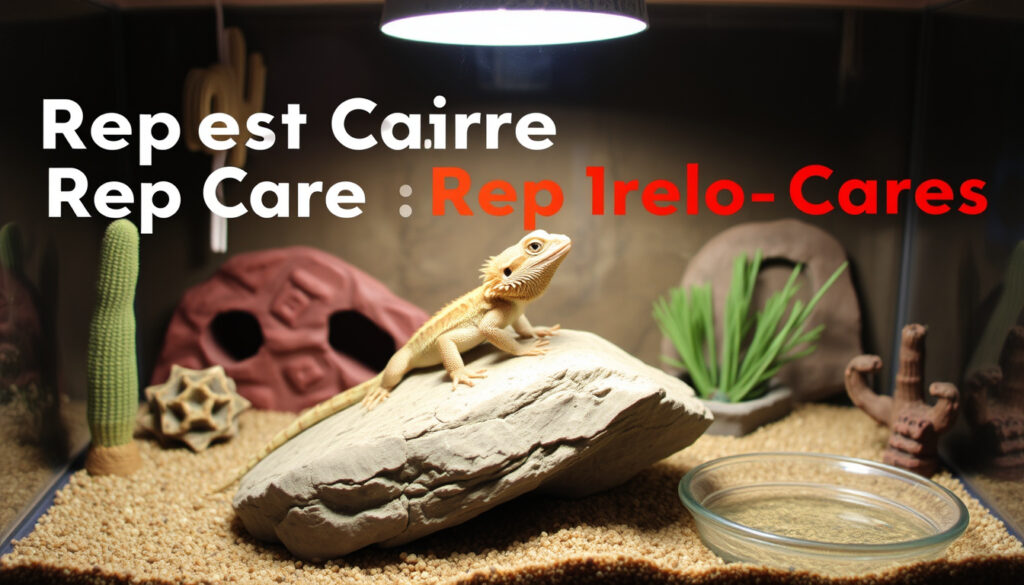
Bearded Dragon – Complete Care Guide for Beginners
Thinking of bringing a bearded dragon into your home? These reptiles have become a popular choice for pet owners around the world, praised for their manageable size and calm demeanor. However, successful ownership requires a good understanding of their specific needs, from enclosure setup to daily diet.
Native to the arid regions of Australia, bearded dragons (Pogona vitticeps) are diurnal lizards that thrive on a consistent routine. They require a carefully controlled environment, a balanced omnivorous diet, and a long-term commitment that can span over a decade.
How Long Do Bearded Dragons Live?
The lifespan of a bearded dragon is a primary concern for any potential owner. In captivity, with proper care, they typically live between 8 and 10 years. Some individuals, especially those receiving optimal nutrition and veterinary care, may reach 12 to 15 years, according to sources like the RSPCA and community forums.
- Bearded dragons originate from arid Australia and require a temperature gradient of 38–42°C (100–108°F) at the hot end.
- They are omnivores – juveniles eat mostly insects, while adults shift to 80% vegetables.
- UVB lighting is critical to prevent metabolic bone disease (MBD).
- They are generally gentle and tolerate handling, making them excellent starter reptiles.
- Common health issues include impaction, MBD, and respiratory infections.
| Category | Details |
|---|---|
| Common Name | Bearded Dragon |
| Scientific Name | Pogona vitticeps (most common captive species) |
| Native Habitat | Central Australia (arid, rocky regions) |
| Activity Pattern | Diurnal (active during day) |
| Life Span (Captivity) | 8–12 years, occasionally 15 |
| Adult Length | 45–60 cm (18–24 inches) |
| Diet Type | Omnivore (insects + leafy greens/vegetables) |
| Temperament | Docile, curious, enjoys handling when habituated |
| UVB Requirement | Essential – 10–12% UVB tube light, 12 hours/day |
| Enclosure (Adult) | Min 4’×2’×2′ (120 gal); Ideal 75–120 gal |
How Big Do Bearded Dragons Get?
Adult bearded dragons measure between 18 and 24 inches from snout to tail tip. This size is typical for the most commonly kept species, Pogona vitticeps, according to care sheets from sources like Unusual Pet Vets. Growth rates are rapid in the first year.
Growth Milestones
Hatchlings emerge at just 3 to 5 inches. By six months, they may reach 12 inches, and they typically achieve their full adult size by 12 to 18 months. While tank size does not dictate maximum length, a proper enclosure supports healthy development.
What Do Bearded Dragons Eat?
Diet is one of the most critical aspects of bearded dragon care, and it shifts dramatically as they age. They are omnivores, requiring a balance of animal protein and plant matter.
Feeding Schedule for Different Ages
Babies under four months old need roughly 80% insects and 20% greens. Feed them 2 to 3 times daily. Adults reverse this ratio, requiring 80% greens and only 20% insects, offered 2 to 4 times per week, as advised by the RSPCA and MorphMarket community guidelines.
Safe Vegetables and Supplements
Staples include collard greens, mustard greens, and butternut squash. Fruits like berries and mango are suitable as occasional treats. Calcium and vitamin D3 supplements are necessary, and insects should be gut-loaded before feeding.
For a baby bearded dragon, 80% of the diet should consist of insects like crickets or Dubia roaches. An adult’s diet flips to 80% vegetables and leafy greens. Always provide a fresh salad daily.
How Much Does a Bearded Dragon Cost (and Where to Buy)?
The initial cost of ownership is a significant factor. According to cost breakdowns from various owner communities and guides, setting up a proper habitat runs between $500 and $800 or more. This includes the dragon itself, enclosure, and lighting.
Price Breakdown
In the UK, a standard baby bearded dragon costs between £40 and £100. Rare colour morphs can command prices of £300 to £500 or more, as noted in forums and breeder videos. The initial setup, including a suitable vivarium and heating, adds another £500 to £800.
Ongoing Expenses
Monthly food costs typically range from $30 to $60 in the US, or £50 to £150 in the UK, covering insects, fresh vegetables, and supplements.
Where to Find a Bearded Dragon
Prospective owners can find dragons through specialised breeders, local pet shops, and occasionally adoption from rescue organisations. Websites like Pets4Homes in the UK list animals for sale, though expert sources recommend verifying the seller’s reputation and the animal’s health history.
How to Care for a Baby Bearded Dragon
Caring for a baby bearded dragon requires attention to detail, as their needs differ from adults. They grow rapidly and are more fragile.
Enclosure and Lighting Setup
A baby can start in a 20 to 40-gallon tank, but upgrading quickly is necessary. The critical need is a T5HO 10–12% UVB tube, which is mandatory for vitamin D synthesis. This bulb must be replaced every 6 to 12 months even if it still emits visible light.
Avoid small glass UVB coils; they are often ineffective. UVB rays cannot penetrate glass, so the bulb must be mounted inside the enclosure or above a UVB-transmitting mesh. Proper UVB prevents metabolic bone disease.
Temperature and Growth
The basking temperature should be maintained at 100–105°F (38–43°C), as recommended by care guides from Inkbird and the Reptile Centre. A thermostat is essential to prevent burns. Baby bearded dragons shed frequently, often every 2 to 3 weeks.
Are Bearded Dragons Good Pets for Beginners?
Their docile nature and manageable size make them a popular choice for first-time reptile owners. They are generally gentle and inquisitive, as noted by sources like National Geographic. They do require daily feeding and a clean environment.
Handling and Temperament
With regular, gentle handling, they become quite tame and tolerate being held. They are solitary animals and do not require a companion. Housing multiple dragons together, especially males, can lead to aggression.
While they are beginner-friendly, the upfront cost and daily commitment are significant. Owners must be prepared to provide a specialised UVB light, a large enclosure, and a strict diet. Research is key to avoiding common health issues like respiratory infections.
Bearded Dragon Growth Timeline: From Hatchling to Adult
- 0–2 months (Hatchling): Size 3–5 inches. Diet: 80% insects. Rapid growth with shedding every 2–3 weeks.
- 2–6 months (Juvenile): Size 6–12 inches. Diet shifts to 60% insects. Sexual maturity begins.
- 6–12 months (Sub-adult): Size 12–20 inches. Diet reaches 50/50 balance. Brumation may begin.
- 12+ months (Adult): Size 18–24 inches. Diet is 80% greens. Lifelong care continues.
Certainty and Uncertainty in Bearded Dragon Care
While many aspects of care are well-established, some details are subject to debate or variation based on individual animals and genetics.
| Established Information | Information That Remains Unclear |
|---|---|
| UVB light is required to prevent MBD. | Maximum lifespan: some sources claim up to 18 years, but reliable data averages 8–12. |
| A temperature gradient is essential for thermoregulation. | Size can vary by subspecies; Pogona vitticeps is the largest. |
| They are generally docile and suitable for beginners. | Exact feeding ratios for juveniles vs. adults are debated among keepers. |
Background: Why Are Bearded Dragons So Popular?
Bearded dragons have become a staple in the pet trade since the 1990s. Their manageable size, calm temperament, and active daytime behaviour make them appealing. The rise of social media has increased interest, though it has also led to misinformation.
Reliable guidance from organisations like the RSPCA and specialised communities such as BeardedDragon.org is crucial for new owners. Key debates among keepers involve the best type of enclosure substrate and the necessity of a nighttime temperature drop.
What Do Experts Say About Bearded Dragon Care?
“To keep your beardy healthy you need to create a thermogradient in the vivarium: a hotter (38–42°C) bright end, heated with a 60–100 watt light bulb, to a cooler (24–26°C) end.”
— RSPCA
“Bearded dragons tend to be gentle, inquisitive, and active during the day.”
— National Geographic
“Pogona is a genus of reptiles containing eight lizard species, which are often known by the common name bearded dragons.”
— Wikipedia
Summary: Is a Bearded Dragon the Right Pet for You?
Bearded dragons offer a rewarding pet ownership experience for those committed to meeting their specific needs. They require a significant initial investment in equipment, a daily routine for feeding and cleaning, and a long-term perspective, given their potential 10- to 15-year lifespan. For owners who can provide the correct temperature, UVB lighting, and diet, they make calm and fascinating companions. For related insights on habitat temperature control, you might also read the Fridge Freezer – Complete Buying Guide for UK Homes in 2025.
Frequently Asked Questions
Do bearded dragons bite?
Bearded dragons rarely bite unless provoked or scared. Their bite is not severe but can break skin. Proper handling reduces risk.
Can bearded dragons eat fruit?
Yes, but only as occasional treats (e.g., berries, mango). Too much sugar can cause obesity and dental issues.
How often do bearded dragons shed?
Hatchlings shed every 2–3 weeks; adults shed every 4–8 weeks. Provide rough surfaces and proper humidity to aid shedding.
Do bearded dragons need a companion?
No – they are solitary and may fight if housed together (especially males). They do not require social interaction with other dragons.
What is brumation?
A natural dormancy period during winter, similar to hibernation. Bearded dragons may eat less, sleep more, and require cooler temperatures.
What size tank does a baby bearded dragon need?
A baby can start in a 20 to 40-gallon tank, but they grow quickly. An adult requires a minimum of a 4’×2’×2′ (120-gallon) enclosure.
What is the best substrate for a bearded dragon?
Solid substrates like reptile carpet or tile are often recommended for beginners to avoid impaction risk from loose substrates.
How do I know if my bearded dragon is healthy?
A healthy dragon is alert, active, and has clear eyes. They should have a healthy appetite and shed regularly.
Can I take my bearded dragon outside?
Yes, but only in safe conditions. Ensure the temperature is warm, provide shade, and protect them from predators.
Do I need a vet for my bearded dragon?
Yes, finding a veterinarian with experience in reptile care is recommended for annual check-ups and treatment of any health issues.
More related posts
 Holly Valance – From Neighbours to Political Commentator
 Bradley Cooper – Biography, Net Worth, Movies and Relationships
 Nottingham Forest vs Arsenal F.C. Timeline – Head-to-Head Record and Results
 Tanya Reynolds – Biography, Age, and Complete Filmography
 Rita Ora – Net Worth, Husband, Age, Ethnicity and More in 2025
 Knicks vs Pacers Match Player Stats – Latest Scores and Box Score Analysis
 Van Gerwen – Age, Wife, Net Worth and Career Profile